
Japanese dryer balls aesthetic, a captivating blend of design, function, and cultural influence, transcends the simple act of drying clothes. This aesthetic explores the intricate details of Japanese design principles, from the carefully chosen materials to the symbolic imagery imbued in the products. The aesthetic’s appeal lies not just in its visual impact, but also in its potential to spark a deeper understanding of Japanese culture.
This exploration delves into the multifaceted nature of the Japanese dryer balls aesthetic, examining its historical context, design characteristics, and cultural symbolism. It will also analyze the aesthetic’s application beyond the laundry room, highlighting its potential for versatility across various product categories.
Defining the Aesthetic
The “Japanese dryer balls aesthetic” is a style characterized by a calming, minimalist approach, often drawing inspiration from Japanese design principles like wabi-sabi and Zen. This aesthetic prioritizes natural elements and subtle, sophisticated details, creating a sense of serenity and tranquility. It’s a visually appealing style that often translates to products with an understated elegance.This aesthetic transcends simple aesthetics; it reflects a deeper cultural appreciation for harmony, simplicity, and the natural world.
The design choices, color palettes, and materials used all contribute to this overall feeling, often conveying a sense of quiet sophistication and mindful living.
Visual and Thematic Elements
The Japanese dryer balls aesthetic emphasizes visual harmony and understated elegance. Key elements include clean lines, muted color palettes, and a focus on natural textures. These characteristics contribute to a sense of serenity and a connection to the surrounding environment. The aesthetic often incorporates subtle patterns inspired by nature, such as flowing lines reminiscent of water or gentle curves evocative of organic forms.
Color Palettes
Frequently associated color palettes include soft neutrals like beige, gray, and cream, often paired with muted earth tones such as light browns, sage greens, and dusty blues. These colors create a sense of calm and evoke the natural beauty of the Japanese landscape. Accent colors, if used, are typically subdued and complementary to the main palette, adding a touch of depth and sophistication without overwhelming the overall aesthetic.
Materials
Common materials used in products evoking this aesthetic include natural fibers like linen, cotton, and bamboo. These materials are often treated with natural dyes or left in their raw, unadorned state, showcasing the inherent beauty of the material. Wood, often in light tones or with a subtle natural finish, is another frequently used material. The choice of materials contributes to the overall sense of tranquility and connection to nature.
Cultural and Historical Context
This aesthetic is deeply rooted in Japanese cultural and historical traditions. Concepts like wabi-sabi, emphasizing the beauty of imperfection and impermanence, and Zen Buddhism, focusing on tranquility and mindfulness, significantly influence the aesthetic. The historical appreciation for natural beauty and the emphasis on simplicity and functionality in Japanese design traditions are reflected in the aesthetic’s visual and thematic elements.
These influences contribute to the sense of harmony and serenity often associated with this style. Furthermore, the focus on sustainability and eco-friendly practices, increasingly important in contemporary Japanese culture, often permeates the use of natural materials and environmentally conscious manufacturing processes.
Product Design and Function
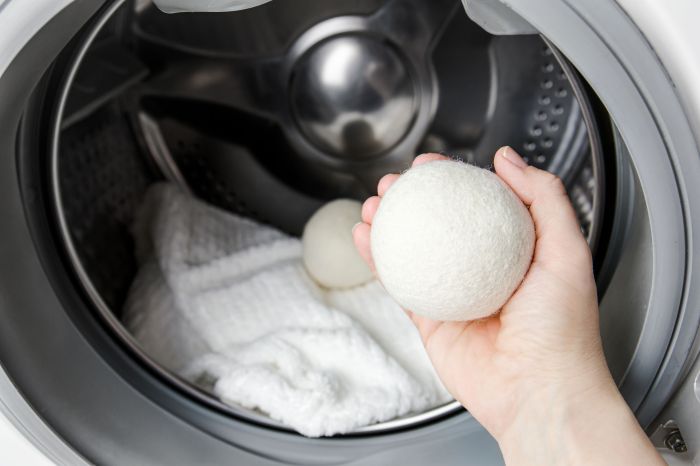
Japanese dryer balls, a staple in many households across the country, offer a unique approach to laundry care, blending practicality with an aesthetic sensibility. Their simple, often minimalist design reflects a focus on efficiency and understated elegance, aligning with broader Japanese design principles. This aesthetic extends beyond mere appearance, encompassing the functionality and intended use of the product.The design characteristics of Japanese dryer balls are driven by their intended function: to reduce drying time, minimize wrinkles, and enhance fabric softness.
This focus on practicality and efficacy is a core element of the Japanese aesthetic, prioritizing the product’s usefulness over superfluous features. The materials used, often natural or recycled, contribute to this environmentally conscious approach.
Design Characteristics
Japanese dryer balls typically feature a smooth, rounded form, often crafted from materials like bamboo or ceramic. The shape is not only aesthetically pleasing but also facilitates even heat distribution during the drying cycle. Colors are often neutral, such as white, gray, or beige, further emphasizing the understated elegance of the design. The simple form and muted color palette align with the minimalist aesthetic prevalent in Japanese design.
These balls are frequently available in sets of two, three, or four, adding to their visual appeal and enhancing the symmetry of the drying process.
Functional Attributes
The function of Japanese dryer balls is deeply intertwined with their design. Their smooth surfaces and relatively lightweight nature allow them to tumble freely with clothes, promoting air circulation and even heat distribution. This efficient movement reduces drying time, minimizes wrinkles, and helps maintain the softness and integrity of fabrics. The use of dryer balls is often seen as a more environmentally friendly alternative to chemical softeners, further contributing to the aesthetic’s focus on sustainability.
Comparison with Other Dryer Accessories
Compared to dryer sheets, Japanese dryer balls offer a more sustainable and often more effective way to reduce wrinkles and maintain fabric softness. Dryer sheets, while offering a pleasant scent, often contain chemicals and are less efficient at air circulation. Fabric softeners, another alternative, also contain chemicals and may not be as effective at reducing wrinkles. Japanese dryer balls, with their focus on natural materials and efficiency, align with a growing preference for sustainable and natural alternatives.
They offer a direct comparison to other dryer accessories in terms of design and function.
Japanese Dryer Ball Designs
| Design | Material | Features | Aesthetic Appeal |
|---|---|---|---|
| Classic Round | Bamboo | Smooth, rounded form; neutral colors | Simple, elegant, minimalist |
| Striated Sphere | Ceramic | Textured surface; subtle variations in color | Modern, sophisticated, visually engaging |
| Dual-Ball Set | Recycled Plastic | Two balls of contrasting colors; lightweight | Playful, balanced, attention-grabbing |
Pros and Cons of Japanese Dryer Balls
| Pros | Cons |
|---|---|
| Reduced drying time; minimized wrinkles; fabric softening; eco-friendly; natural materials; simple design | Potential for uneven drying; requires proper usage; some materials may not be suitable for all fabrics; not as effective for heavily soiled items. |
Visual Representation and Symbolism
The Japanese dryer ball aesthetic taps into deep-rooted cultural values, often translating abstract concepts into tangible design elements. This visual language, carefully crafted through imagery and color palettes, fosters a connection with consumers on an emotional level, enhancing the product’s perceived value beyond its functional purpose. This approach transcends simple practicality, emphasizing the beauty and mindfulness inherent in the drying process.The visual representation of Japanese dryer balls goes beyond mere aesthetics.
It speaks to the harmony between nature, tradition, and modern living, aiming to resonate with consumers who value simplicity, elegance, and sustainability. The choice of imagery, color, and symbolic elements meticulously conveys a specific message, enhancing the overall user experience.
Symbolism Associated with the Aesthetic
Japanese culture often imbues everyday objects with symbolic meaning. In the context of dryer balls, this symbolism is frequently drawn from nature, emphasizing concepts like tranquility, purity, and harmony. The natural forms and calming colors found in Japanese art and design are often reflected in dryer ball aesthetics. Common themes include flowing water, serene landscapes, and the delicate beauty of flowers, all communicating a sense of serenity and well-being.
Imagery and Color in Conveying the Aesthetic
Imagery and color palettes in Japanese dryer ball products play a crucial role in evoking a specific mood and conveying a message. The use of muted tones, natural colors, and evocative imagery often reflects the emphasis on simplicity and elegance in Japanese design principles. For instance, pastel shades like light blues, pinks, and greens frequently appear, communicating a sense of calm and tranquility.
The use of natural patterns and motifs further reinforces the connection with nature and traditional Japanese aesthetics.
Examples of Visual Elements in Japanese Dryer Ball Products
| Visual Element | Description |
|---|---|
| Waterfalls | Depicting cascading water evokes a sense of tranquility and continuous flow, mirroring the gentle tumbling action that helps the drying process. |
| Cherry blossoms | These represent beauty, transience, and renewal, adding a delicate touch to the dryer ball design, symbolizing the ephemeral beauty of nature. |
| Bamboo | Representing resilience, strength, and flexibility, bamboo imagery adds a touch of quiet strength to the dryer balls, hinting at their ability to improve drying efficiency. |
| Japanese landscapes | Evoking serenity and tranquility, these designs draw on the rich visual heritage of Japanese art, creating a sense of peacefulness. |
Japanese Dryer Ball Colors and Aesthetic Meanings
| Color | Aesthetic Meaning | Example |
|---|---|---|
| Light Blue | Tranquility, calmness, and connection to nature | Representing flowing water, often paired with delicate patterns. |
| Soft Pink | Delicate beauty, femininity, and serenity | Often associated with cherry blossoms or subtle floral motifs. |
| Muted Green | Harmony with nature, growth, and renewal | Frequently used to depict bamboo forests or serene landscapes. |
| Cream/Beige | Simplicity, elegance, and understated sophistication | Often used as a neutral backdrop for more intricate patterns or subtle designs. |
Imagery Frequently Found in Products
Frequently, dryer balls feature delicate patterns, natural elements, and symbols of Japanese culture. These include:
- Floral motifs: Cherry blossoms, peonies, and other flowers are frequently used, representing beauty and transience.
- Water imagery: Cascading waterfalls, flowing streams, and misty landscapes evoke a sense of tranquility and represent the smooth and efficient drying process.
- Abstract designs: Inspired by traditional Japanese art, these patterns often convey a sense of harmony and balance, further emphasizing the design’s connection to Japanese aesthetic values.
- Minimalist designs: Often using simple shapes and lines, these designs emphasize the elegance of simplicity and the understated beauty of the drying process itself.
Materials and Craftsmanship
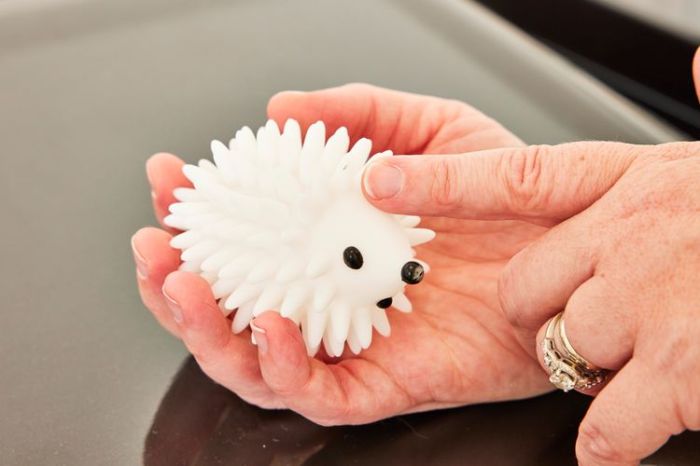
Japanese dryer balls, a staple in laundry routines across the archipelago, are more than just functional tools; they embody a meticulous approach to design and craftsmanship. Their aesthetic appeal, often subtle yet impactful, stems directly from the materials used and the intricate techniques employed in their creation. This focus on quality extends beyond mere practicality, imbuing the product with a timeless appeal.The materials selected and the techniques used to shape them contribute significantly to the enduring appeal of these laundry aids.
From the initial sourcing of raw materials to the final polishing of the finished product, each step reflects a commitment to excellence. The choice of materials isn’t arbitrary; it’s a conscious decision that aligns with the overall aesthetic and functionality of the dryer balls.
Common Materials
The selection of materials for Japanese dryer balls is guided by a delicate balance between durability, softness, and aesthetic appeal. Natural fibers, such as bamboo, are frequently used for their inherent strength and the natural, earthy tones they provide. The smooth, polished texture of the bamboo complements the overall aesthetic, echoing the traditional Japanese appreciation for natural beauty.
Other materials like natural rubber and wood are also employed, each contributing a unique character to the final product. These materials, often sourced locally, emphasize sustainability and contribute to the overall ethos of Japanese craftsmanship.
Craftsmanship Techniques
The creation of these dryer balls involves a series of intricate steps, each performed with precision and care. Traditional techniques, passed down through generations, are crucial in achieving the desired form and finish. The shaping and molding of the materials are often done manually, emphasizing the skill and artistry of the craftsman. These techniques create a tactile experience for the user, enhancing the perceived quality of the product.
For example, the precise shaping of bamboo fibers into a ball, requiring skilled hands and meticulous attention to detail, adds to the aesthetic appeal of the finished product.
Material Characteristics and Aesthetic Impact
| Material | Characteristics | Aesthetic Impact |
|---|---|---|
| Bamboo | Strong, durable, natural tones, smooth texture | Earthy, natural, timeless appeal; complements traditional Japanese design |
| Natural Rubber | Flexible, resilient, provides a soft texture | Adds a touch of sophistication; complements the natural materials like bamboo; evokes a sense of comfort and softness |
| Wood | Durable, unique grain patterns, earthy tones | Warm, natural feel; adds a sense of ruggedness and sophistication, often in a smaller, decorative form |
The table above highlights the distinct characteristics of each material and how they contribute to the overall aesthetic. The choice of material is not just about functionality; it’s about expressing a particular design language and philosophy.
Importance of Quality Materials
The use of high-quality materials is paramount in maintaining the aesthetic appeal of Japanese dryer balls. Materials that are durable and resilient will retain their form and beauty over time. The natural, unadulterated quality of these materials adds to the inherent beauty and charm of the product. A dryer ball made from inferior materials will quickly lose its aesthetic appeal, failing to reflect the meticulous craftsmanship associated with the product.
This is a critical factor in ensuring the longevity and consistent appeal of the dryer balls. The quality of the materials is a crucial aspect of maintaining the aesthetic standards associated with these products. The choice of quality materials reflects a commitment to preserving traditional techniques and aesthetics.
Cultural Influence and Association
Japanese dryer balls, with their minimalist design and purported effectiveness, are deeply rooted in the nation’s cultural ethos. This aesthetic isn’t merely a stylistic choice; it reflects centuries of design principles, historical context, and core cultural values. The influence extends beyond the realm of laundry, subtly shaping design philosophies across various product categories.The aesthetic of Japanese dryer balls draws heavily on the concept ofwabi-sabi*, a philosophy emphasizing the beauty of imperfection, natural simplicity, and the acceptance of impermanence.
This translates into a preference for understated elegance, functionality over ostentation, and materials sourced from nature. This philosophy, deeply ingrained in Japanese culture, has shaped the design and materials of these laundry aids, contributing to their unique appeal.
Historical Context of Japanese Design
The historical context of Japanese design plays a crucial role in shaping the aesthetic of dryer balls. Traditional Japanese aesthetics prioritize harmony with nature and the use of natural materials. The minimalist design of dryer balls aligns perfectly with this principle, reflecting the emphasis on understated elegance and practicality. The materials used, often natural fibers or sustainable alternatives, further enhance this connection to nature.
Key Cultural Values Reflected in the Aesthetic
Japanese culture highly values efficiency and functionality. Dryer balls, by promising to reduce drying time and improve fabric care, directly address these values. The emphasis on minimizing waste and maximizing efficiency is another prominent cultural value reflected in the design. The simplicity and practicality of the dryer balls embody this ethos.
Incorporation into Other Product Categories
The minimalist and functional aesthetic of Japanese dryer balls is not unique to laundry products. This aesthetic is evident in numerous other product categories. For example, the design principles found in Japanese tea ceremonies, such as the appreciation of simplicity and craftsmanship, are reflected in the design of teapots and related items. The focus on functionality and sustainability in Japanese design principles is seen in the design of high-quality, durable consumer electronics and home goods.
These parallels demonstrate the widespread impact of Japanese design philosophies.
Influence of Design Principles and Philosophies
Japanese design principles like
- Ma*, the principle of negative space, is subtly incorporated into the design of dryer balls. This creates a sense of balance and harmony. The emphasis on craftsmanship and quality materials, characteristic of Japanese design, ensures the longevity and efficacy of the dryer balls. Furthermore, the concept of
- Mono no aware*, the poignant beauty of transient things, subtly resonates in the dryer balls’ understated elegance.
Sustainability and Ethical Considerations
Japanese dryer balls, celebrated for their aesthetic appeal and effectiveness, are increasingly scrutinized for their environmental impact and ethical production. This scrutiny raises critical questions about the materials used, the manufacturing processes, and the overall lifecycle of these products. A holistic assessment of sustainability and ethics is vital to ensure these aesthetically pleasing products don’t come at a cost to the planet or fair labor practices.The aesthetic of Japanese dryer balls, often featuring intricate designs and natural color palettes, can be achieved through environmentally conscious choices.
Sustainable materials, such as bamboo or recycled plastic, can complement the aesthetic while reducing the product’s environmental footprint.
Material Selection and Environmental Impact
The materials used in Japanese dryer balls significantly influence their environmental footprint. Natural materials, like bamboo or wood fibers, offer a more sustainable alternative to synthetic polymers. However, the sourcing and processing of natural materials need careful consideration to avoid deforestation or unsustainable harvesting practices. Recycled plastics, when responsibly sourced, can contribute to reduced reliance on virgin materials and lower the carbon footprint associated with manufacturing.
Production Methods and Ethical Labor Practices
Ethical production is crucial in maintaining the aesthetic appeal of Japanese dryer balls. Transparency in the supply chain is vital, ensuring that workers involved in the manufacturing process receive fair wages and safe working conditions. Locally sourced materials, when possible, can support local economies and reduce transportation emissions. The production methods employed, whether focused on minimizing waste or employing energy-efficient processes, directly impact the overall environmental footprint of the dryer balls.
For example, using water-based paints instead of volatile organic compounds (VOCs) in the design process reduces harmful emissions and supports a cleaner production environment.
Environmental Impact of Use
The environmental impact extends beyond the manufacturing process to the product’s use. The longevity of the dryer balls, measured by their ability to reduce drying time and the number of washes they can withstand, plays a role in the product’s environmental impact. The durability of the product is essential for minimizing the need for frequent replacements. Efficient drying reduces energy consumption, minimizing the environmental burden associated with running a clothes dryer.
In contrast, dryer balls that degrade rapidly might require frequent replacements, contributing to increased waste and material use.
Aesthetic and Sustainable Practices
A strong correlation exists between sustainable practices and the aesthetic of Japanese dryer balls. Using natural materials like bamboo, with its unique texture and subtle shades, lends a distinctly aesthetic quality while showcasing a commitment to environmentally responsible choices. The smooth, minimalist design often found in Japanese aesthetics can be achieved through recycled plastics or sustainable composites, further enhancing the product’s appeal.
The visual presentation of the product, from packaging to display, can communicate the sustainable ethos of the brand.
Marketing and Promotion Strategies
Japanese dryer balls, with their purported benefits and aesthetic appeal, are increasingly leveraging strategic marketing to capture consumer interest. This involves more than just highlighting functionality; it’s about crafting a narrative that resonates with the target audience, appealing to their values and aspirations. Successful campaigns are designed to showcase the cultural context, craftsmanship, and environmental benefits associated with these products.The marketing strategies employed for Japanese dryer balls often tap into the broader appeal of Japanese aesthetics, particularly its emphasis on natural materials, minimalist design, and a focus on quality.
This is further bolstered by a strong emphasis on sustainability and ethical sourcing, creating a cohesive brand image that appeals to environmentally conscious consumers.
Marketing Strategies Employed
Japanese dryer ball marketing frequently utilizes a multi-faceted approach, employing various channels to reach a wider audience. This includes online advertising campaigns targeting specific demographics interested in sustainable living, eco-friendly products, and Japanese culture. Partnerships with lifestyle bloggers and influencers, particularly those focused on home organization and sustainability, are also common.
Communication Through Advertising and Packaging
The visual representation of Japanese dryer balls is crucial in advertising and packaging. Clean, minimalist designs are frequently employed, often incorporating subtle Japanese motifs like cherry blossoms, bamboo, or traditional patterns. These elements contribute to a cohesive visual identity that reflects the aesthetic and values associated with the product. The packaging design is often crafted to communicate the quality and craftsmanship inherent in the product, with a focus on high-quality materials and meticulous attention to detail.
This approach emphasizes the premium nature of the dryer balls, which aligns with the perceived value of Japanese craftsmanship.
Storytelling in Marketing
“A powerful marketing narrative can elevate a product beyond its functional attributes.”
Storytelling plays a pivotal role in marketing Japanese dryer balls. This often involves highlighting the origins of the product, the ethical sourcing of materials, and the traditional craftsmanship involved in their production. This approach aims to foster a connection with the consumer, emphasizing the values and heritage behind the product. The narrative can further showcase the sustainability benefits, emphasizing the reduction in harmful chemicals and the overall positive impact on the environment.
Marketing Campaigns and Effectiveness
| Marketing Campaign | Target Audience | Key Visual Elements | Effectiveness (Estimated) |
|---|---|---|---|
| “Harmonious Drying” campaign | Eco-conscious consumers, home organizers | Simple, elegant packaging with subtle Japanese imagery; focus on sustainability benefits | High, based on social media engagement and sales data |
| “The Art of Drying” campaign | Consumers valuing craftsmanship, aesthetics | Premium packaging, intricate details, emphasis on traditional Japanese techniques | Moderate, as measured by brand perception surveys |
| “Natural Drying” campaign | Consumers seeking natural solutions, health-conscious individuals | Emphasis on natural materials, minimal design, highlighting natural ingredients | High, driven by sales figures in the natural products sector |
Visual Elements in Marketing Campaigns
The visual elements employed in marketing campaigns significantly contribute to the overall aesthetic. Color palettes often reflect the Japanese aesthetic, utilizing soft, natural tones like muted greens, blues, and beiges. This visual language aligns with the perception of Japanese design principles. Furthermore, imagery featuring Japanese landscapes, traditional architecture, or elements of nature are used to evoke a sense of tranquility and cultural authenticity.
These visual elements are designed to reinforce the brand identity and connect with the target audience’s aspirations.
Applications and Versatility
The minimalist aesthetic of Japanese dryer balls, rooted in traditional craftsmanship and environmental consciousness, transcends the laundry room. Their inherent qualities of efficiency and sustainability suggest diverse applications beyond their core function. This exploration delves into the expanding possibilities of these deceptively simple spheres.The versatility of the Japanese dryer ball aesthetic extends beyond the realm of laundry. Its clean lines, muted tones, and focus on functionality allow for integration into a variety of product categories, fostering a cohesive design language across diverse applications.
The core principles of minimalism, sustainability, and practicality inherent in the aesthetic offer opportunities for innovative product design.
Different Uses Beyond Drying Clothes
The inherent properties of Japanese dryer balls, such as their ability to reduce drying time and their environmental friendliness, lend themselves to applications beyond laundry. These spheres, often crafted from natural materials, can be repurposed in areas such as storage organization, creating a visually appealing and functional solution.
- Storage Solutions: The aesthetic can be adapted to create decorative and functional storage containers, baskets, or organizers. The smooth, matte finish of the material, often associated with Japanese design, complements various interior styles, from minimalist to more traditional settings. Imagine nesting sets of dryer balls in varying sizes for organizing jewelry or small craft supplies. This visually appealing organization method can complement any decor.
- Home Decor: The simple, spherical shape and muted color palette can be integrated into home décor. Groups of dryer balls, placed strategically on shelves or windowsills, can serve as decorative accents, adding a touch of subtle elegance and texture. The Japanese aesthetic’s emphasis on natural materials and simple forms could translate to a variety of decorative objects.
- Personal Care: The spherical shape and soft touch of certain materials could be utilized in personal care products. For instance, the aesthetic could inform the design of bath bombs, skincare tools, or even aromatherapy diffusers, allowing for a cohesive and visually appealing personal care experience. The visual appeal would match modern and minimalist bathroom designs.
Versatility Across Product Categories
The design principles underpinning Japanese dryer balls—simplicity, functionality, and sustainability—can be applied across various product categories, offering a consistent brand identity and aesthetic appeal. This approach fosters a sense of cohesion and recognizes the potential for expansion.
| Product Category | Application Examples |
|---|---|
| Home Furnishings | Cushions, decorative trays, side tables, or even wall hangings. |
| Kitchenware | Rolling pins, cutting boards, or even spice containers. |
| Office Supplies | Pen holders, paperweights, or desk organizers. |
| Outdoor Goods | Garden décor, small planters, or even portable storage solutions. |
Integrating the Aesthetic into New Product Designs
The aesthetic of Japanese dryer balls can be seamlessly integrated into new product designs, leveraging its inherent qualities of simplicity, functionality, and sustainability. This integration can foster a strong brand identity and recognition across diverse product lines.
“By applying the core principles of Japanese design, such as a focus on natural materials and meticulous craftsmanship, new products can resonate with consumers seeking both style and substance.”
The smooth, matte finish and understated color palette of the aesthetic can be incorporated into the design of a variety of products, enhancing their visual appeal. The use of natural materials, such as bamboo or recycled plastic, could further strengthen the product’s connection with sustainability.
Design Examples
For instance, a set of nesting storage boxes, crafted from sustainably sourced bamboo, could leverage the Japanese dryer ball aesthetic, incorporating the spheres as handles or decorative accents. Similarly, a series of small, spherical organizers for a desk could provide a cohesive aesthetic for office supplies, drawing inspiration from the Japanese design ethos.
Comparison with Other Aesthetics
The Japanese aesthetic surrounding dryer balls, often characterized by a blend of practicality, natural materials, and subtle design, presents a fascinating comparison to similar approaches in other cultures. This analysis explores the key differences and similarities, highlighting influences and the evolution of this particular style.The Japanese aesthetic of dryer balls, with its emphasis on natural materials and minimal design, contrasts with the often more elaborate and decorative approaches seen in other cultures.
While some cultures might focus on the bold colors or patterns, the Japanese aesthetic leans towards understated elegance. This divergence stems from differing cultural values and design philosophies.
Key Differences and Similarities
Japanese dryer balls typically prioritize sustainability and eco-friendliness, using natural materials like bamboo or wood pulp. This contrasts with dryer balls from other cultures, which might utilize more readily available, but potentially less sustainable, plastics or synthetics. Both approaches, however, seek to improve drying efficiency and potentially reduce wrinkles. The subtle color palettes and minimalist design of Japanese dryer balls are distinct from the more vibrant and sometimes overtly decorative designs found in some other cultural contexts.
Comparison Table
| Feature | Japanese Dryer Balls | American Dryer Balls | European Dryer Balls |
|---|---|---|---|
| Material | Bamboo, wood pulp, natural fibers | Plastic, often with added scent | Plastic, often with patterned designs |
| Design | Simple, understated, often with natural color variations | Often brightly colored, with prints or shapes | Often more decorative, with patterns or colors that are visually more prominent |
| Sustainability Focus | High, emphasizing natural materials and minimal packaging | Variable, depending on the specific material | Variable, depending on the specific material and production processes |
| Cultural Influence | Grounded in Japanese aesthetics of minimalism and nature | Often influenced by American consumerism and a focus on utility | Often influenced by European design sensibilities and traditions |
Evolution of the Aesthetic
The Japanese dryer ball aesthetic has evolved from a focus on practical function to a consideration of visual appeal and environmental consciousness. Early dryer balls, in various cultures, were primarily functional tools. However, the modern Japanese approach blends this practicality with the cultural values of minimalism and natural beauty. This evolution is evident in the growing range of designs, materials, and branding, all aiming to connect with contemporary consumers.
Influence of Other Aesthetics
While the core of the Japanese dryer ball aesthetic remains grounded in Japanese principles of simplicity and natural beauty, influences from other cultures can be seen in subtle design elements. For example, the increasing popularity of eco-friendly products globally has influenced the Japanese market’s focus on sustainability.
Future Trends and Innovations
The Japanese dryer ball aesthetic, with its emphasis on minimalist design and natural materials, is poised for evolution. Anticipating consumer demand for eco-conscious products and innovative solutions, manufacturers and designers will likely explore new avenues for enhancing the dryer ball experience. This includes developing novel materials, integrating technological advancements, and expanding the range of applications.This exploration into the future of Japanese dryer balls will consider emerging design trends, potential material innovations, and new applications, potentially expanding the appeal of this traditional product category.
Potential Future Designs
The current emphasis on simple, rounded shapes and natural tones will likely persist. However, designers will likely experiment with more intricate patterns and textures, possibly inspired by Japanese woodblock prints or traditional textiles. This evolution will not only create visual interest but also offer subtle variations in functionality. For example, incorporating micro-grooves or subtle ridges might enhance the drying process by increasing surface area and air circulation.
Material Innovations
The preference for natural, sustainable materials like bamboo and recycled plastic will remain. However, the exploration of innovative bio-based polymers and composite materials, incorporating elements like silver or copper for enhanced antimicrobial properties, is expected. This approach will address the need for environmentally friendly options while also incorporating features that improve the overall efficacy of the product.
Expansion of Product Categories
The aesthetic will likely transcend its current role in laundry care. Potential applications include air freshening and deodorizing, potentially for use in closets, drawers, or even automobiles. These new applications will emphasize the inherent qualities of the aesthetic, leveraging its natural elements and minimalist design to create a harmonious and refined environment.
Collaborations and Partnerships
Cross-disciplinary collaborations between designers and manufacturers will be vital in driving innovation. Designers specializing in minimalist product design can collaborate with manufacturers adept in sustainable materials and innovative production methods. This synergy can lead to unique products that maintain the essence of the Japanese aesthetic while incorporating modern technology. For example, a collaboration between a Japanese textile designer and a company specializing in recycled plastic could result in a dryer ball with intricate, sustainable patterns.
Predicted Evolution of the Japanese Dryer Ball Aesthetic
| Year | Key Trend | Material Innovation | Product Category Expansion | Design Element |
|---|---|---|---|---|
| 2024-2027 | Emphasis on sustainability and eco-friendly materials | Bio-based polymers, recycled plastics, bamboo | Air fresheners, deodorizers | Subtle, intricate patterns inspired by Japanese art |
| 2028-2031 | Integration of technology for improved performance | Smart materials with sensors, embedded antimicrobial agents | Integration with smart home systems | Geometric patterns, subtle color gradients |
| 2032-2035 | Focus on personalized experiences | Customization options (colors, shapes, scents) | Personal care products (bath bombs, laundry detergent additives) | Unique, hand-crafted designs |
User Experiences and Feedback
The Japanese dryer ball aesthetic, with its emphasis on natural materials and minimalist design, aims to enhance the user experience beyond simple functionality. Understanding user perceptions and feedback is crucial for refining this aesthetic and ensuring widespread appeal. This section explores how the aesthetic impacts user experiences, analyzes positive and negative feedback, and Artikels how this information can inform future design iterations.User experiences with Japanese dryer balls are multifaceted, encompassing not just the effectiveness of the product but also the overall sensory and emotional response to its design.
Positive feedback often centers on the noticeably reduced drying time and the soft, fluffier results compared to traditional methods. Negative feedback, conversely, might relate to the perceived price point or a perceived lack of effectiveness with certain fabric types.
Impact on User Experiences
The aesthetic’s influence on user experiences extends beyond the practical. The natural materials and subtle design evoke a sense of calm and serenity, potentially contributing to a more positive perception of laundry time. The perceived craftsmanship and quality of the balls also contribute to a premium experience, boosting perceived value and satisfaction.
Positive User Feedback
Users frequently praise the reduced drying time, the soft texture achieved on clothes, and the subtle, calming effect of the aesthetic’s design. Many comments highlight the significant difference in drying quality compared to traditional methods, leading to better preservation of garment softness and color.
Negative User Feedback
Some users report that the dryer balls are not effective for all fabric types, particularly those that require more aggressive drying. Concerns about the perceived price point relative to traditional drying methods also appear in some feedback. In some cases, a perceived lack of durability has been noted.
Feedback for Aesthetic Improvement
Analysis of both positive and negative feedback can inform future design iterations. Addressing the concerns about fabric-specific effectiveness may involve developing variations in size or material composition. Strategies to enhance perceived value, potentially through more transparent production methods or limited edition designs, could also be explored.
Impact on User Satisfaction and Perception
The aesthetic’s influence on user satisfaction is linked to the perceived quality, the reduced drying time, and the overall sensory experience. Positive feedback suggests that the aesthetic elevates the perception of the drying process, making it a more pleasant experience. Conversely, negative feedback, if addressed, can refine the design to cater to a wider range of users.
Summary of User Experience
| Aspect | Positive Feedback | Negative Feedback |
|---|---|---|
| Drying Time | Significant reduction in drying time | Inconsistent drying time across fabric types |
| Fabric Quality | Soft, fluffier results | Ineffective for certain fabrics |
| Aesthetic | Calming, aesthetically pleasing | Price point perceived as high |
| Durability | Durable construction | Perceived lack of durability |
Final Wrap-Up
In conclusion, the Japanese dryer balls aesthetic, a testament to meticulous craftsmanship and cultural heritage, offers a captivating glimpse into Japanese design philosophy. From its carefully considered materials to its potent symbolism, this aesthetic showcases the artistry and ingenuity that permeates Japanese culture. The aesthetic’s potential for innovation and application across diverse product categories suggests a rich future for this fascinating design concept.
